

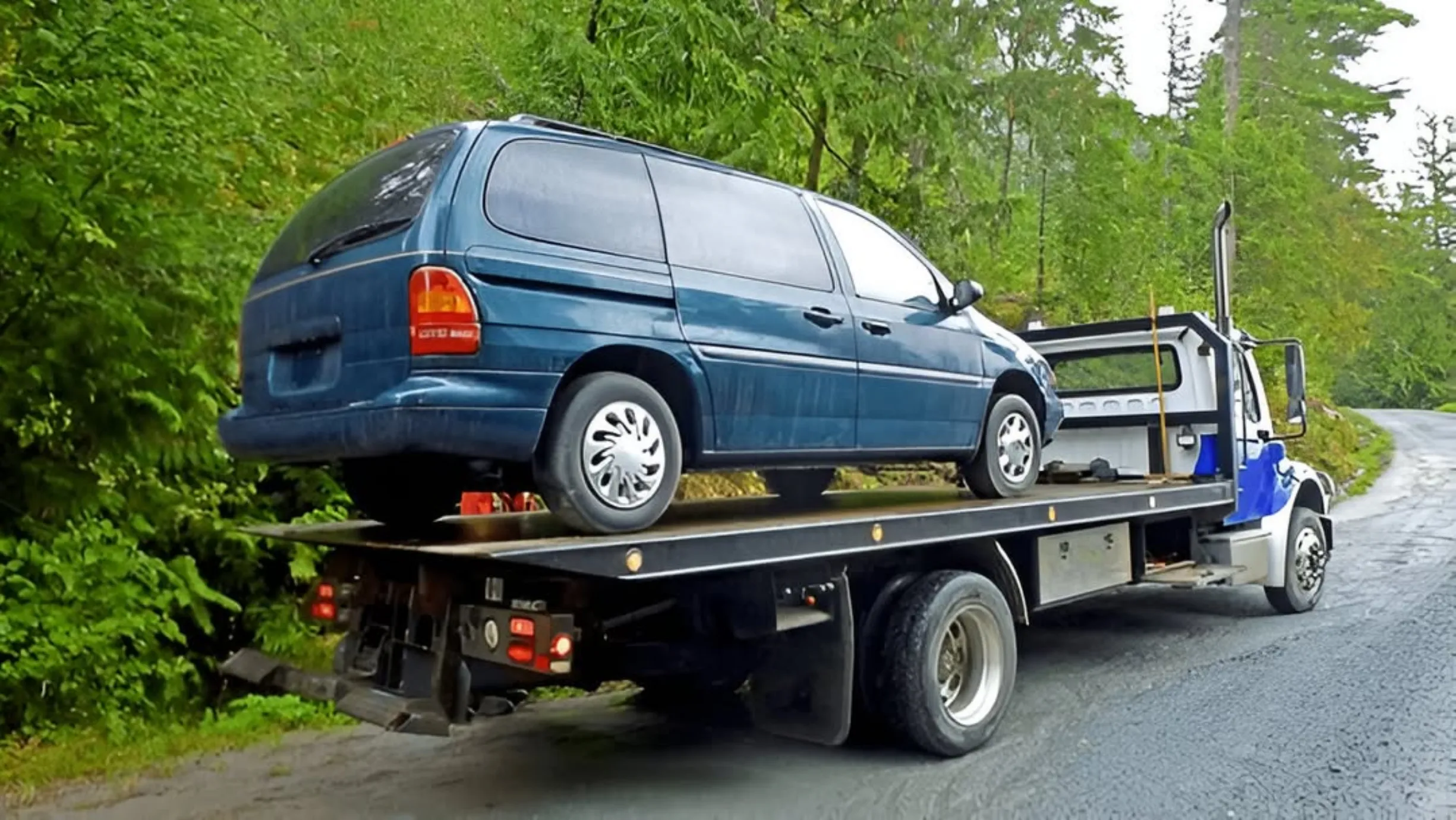
Selling a car in Victoria can be a daunting process, especially with all the admin involved. One of the most common questions is: Who pays the transfer fee when transferring vehicle ownership? Whether you’re a private seller, motor dealer or working with an auto recycler or car removal company, understanding the transfer fee and the full car selling process is key to a smooth transaction.
If you want to get old cars removed in Melbourne, professional car recycling companies make the whole process easy, offer instant cash and handle all registration transfer requirements.
Contents
Who Pays the Transfer Fee?
In most cases, the buyer pays the transfer fee and motor vehicle duty when buying a vehicle in Victoria. These costs are associated with lodging the vehicle transfer form and transferring the registration through VicRoads or a licensed customer service centre.
The seller usually provides a valid roadworthy certificate or certificate of roadworthiness, but the buyer is responsible for the vehicle registration transfer application, including any vehicle registration duty and vehicle registration fees. This applies to all vehicle types, light vehicles, heavy vehicles, passenger vehicles, modified vehicles and performance vehicles.
But the sale price and transfer of ownership conditions can be negotiated. If agreed, the private seller may pay the transfer fee as part of the deal.
Transfer Fee Includes
The transfer fee is a mandatory payment to process the vehicle registration transfer application. It does not include the motor vehicle duty, which is calculated on either the purchase price or the market value of the vehicle—whichever is higher. Rates of duty apply based on vehicle type, body type and vehicle mass.
Here is a breakdown:
| Fee Type | Description |
|---|---|
| Transfer Fee | Paid to VicRoads for changing the name on the registration. It’s a fixed amount regardless of the sale price or type of vehicle. |
| Motor Vehicle Duty | A tax based on the dutiable value. Different Rates of duty apply for heavy vehicles, passenger vehicles, and modified vehicles. |
| Certificate of Roadworthiness | Provided by the seller. Required for most licensed vehicles. Can be an electronic certificate, handwritten certificate, or RWC copy. |
Deadline for Payment
The buyer must complete the vehicle registration transfer application and pay the fees within 14 days of the sale. This includes:
- The transfer form
- Proof of identity documentation
- A valid Victorian licence or Australian photo driver licence
- The certificate of roadworthiness
- A copy of the sale price agreement (optional)
Payments can be made by credit card, direct debit payments, or in-person at a motoring service centre.
Failure to submit the transfer application form on time can lead to fines and may delay the ownership transfer process.
Can the Seller Pay the Fee?
Yes. Although uncommon, the seller may cover the transfer fee as part of the selling price, especially when trying to close a deal quickly with a potential buyer or an interstate buyer. This can also occur when selling a demonstrator vehicle or under specific concession arrangements.
Any such agreement should be written down, and the buyer step of signing the transfer form must be completed regardless of who pays the fee.
Selling to a Car Removal Company
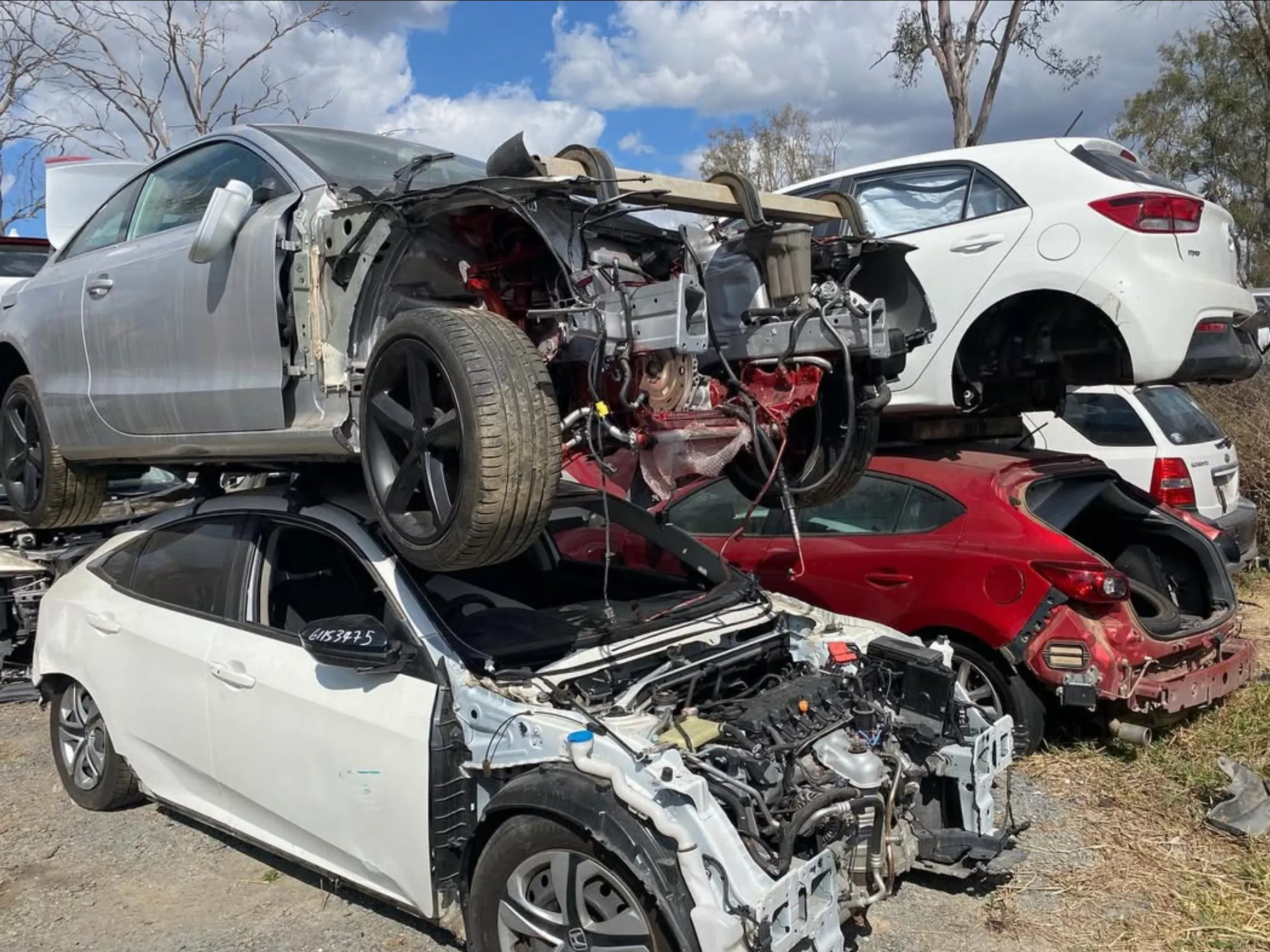
If you’re selling an old, unwanted, or scrap vehicle to a car removal company, they often handle all paperwork, including the:
- Transfer of registration
- Vehicle plate removal
- Submission of the transfer application
- Payment of vehicle registration fees and motor vehicle duty
This simplifies the process and eliminates the need for the seller to visit a customer contact centre or service centre in person. Many companies even offer cash for cars, instant cash offers, and cash for the registration depending on the vehicle condition.
For those looking to get old cars removed in Melbourne, professional car removal companies streamline the entire process, offering instant cash and handling all registration transfer requirements.
What If the Vehicle Is Unregistered?
When selling an unregistered vehicle, you don’t need to provide a roadworthy certificate or submit a transfer application form. Instead:
- Remove the vehicle plate
- Inform VicRoads of the disposal
- Return the plates (if applicable)
- Retain any relevant proof of identity
The interstate dealer or car removal service may issue a certificate of inspection, and the buyer must organise registration using a new Australian vehicle licence registration application.
If selling to a car removal service, they may collect the vehicle without requiring a registration certificate or current vehicle licence paper.
Key Points to Remember
- Buyer usually pays the transfer fee and motor vehicle duty
- Seller provides the roadworthy certificate and submits the Notice of Disposal
- Payment deadline: 14 days from date of sale
- Vehicle registration services are available online or at a service centre
- Unregistered vehicles follow a separate process—no transfer fee, but plate return is required
- Car removal companies simplify the transfer, often offering cash for cars and handling paperwork
- Proof of identity, accurate details, and category B documents (such as a marriage certificate, birth certificate, or certificate of incorporation issued) may be required
FAQ
Can I pay the transfer fee with my credit card at a VicRoads centre?
Yes. You can pay with a credit card, debit card or bank account at a customer service centre.
Is a certificate of roadworthiness always required?
Yes, for registered vehicles, unless the sale is exempt (e.g. between spouses or to a car wrecker).
What if the buyer is from interstate?
An interstate buyer will need to register the vehicle in their state. You must still lodge a Notice of Disposal and remove the number plates if unregistered.
Can I submit the transfer online?
Yes, through your myVicRoads account. Both seller and buyer must provide their licence details, contact details and complete the transfer guide.
How does it work with a car removal service?
Licensed car removal companies and wreckers handle all the paperwork, pay cash for cars and often cover the transfer fee.
 Tiffany Harper