

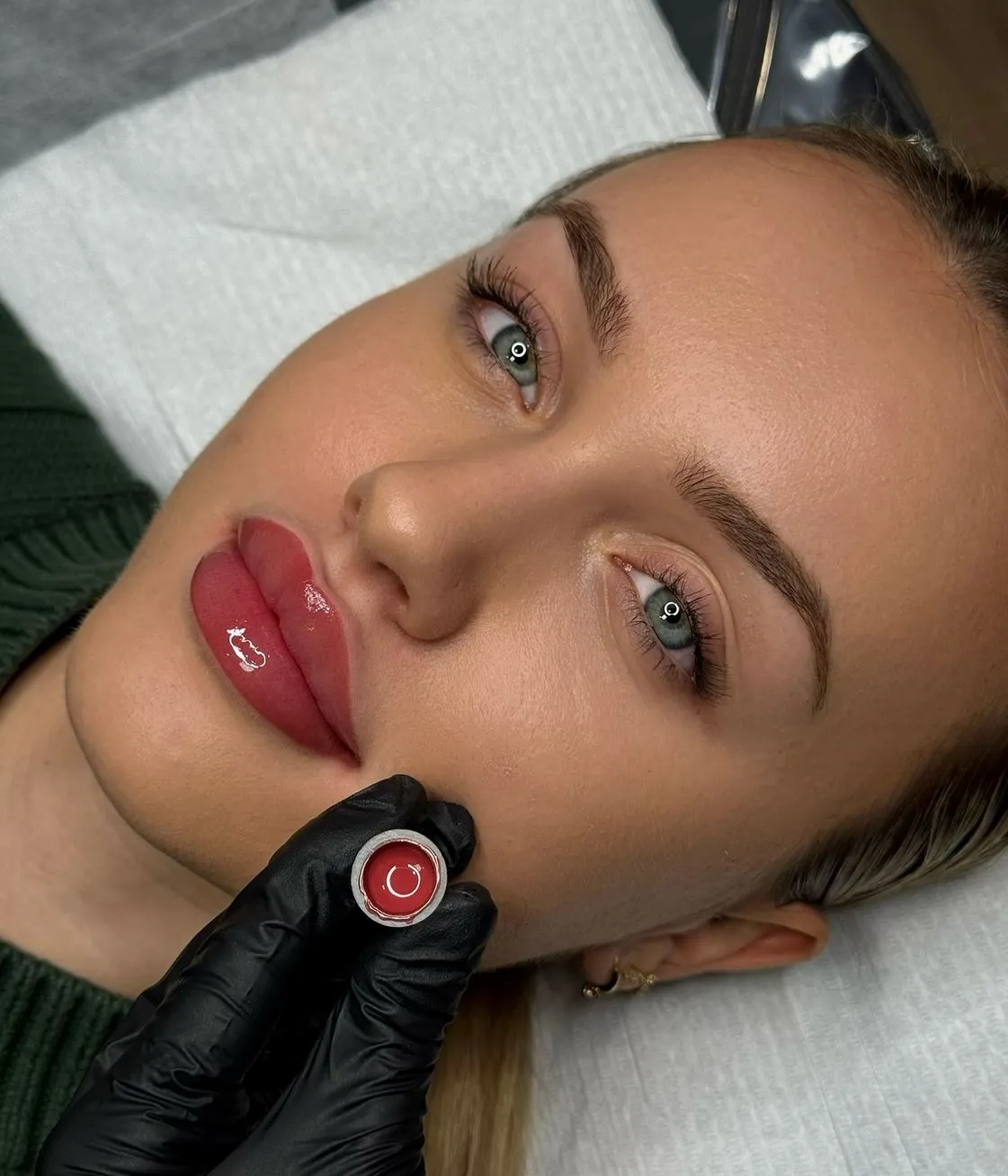
When people ask me, “Can non-medics do cosmetic tattooing?” I can feel the mix of curiosity and caution behind the question. I’ve been in this industry in Melbourne since 2016, working on every skin type you can imagine, and I can tell you — the answer isn’t just a simple yes or no. It’s about training, safety and ethics, not just the letters after your name.
At Cosmetic Tattoo Studio Melbourne Face Figurati, we see cosmetic tattoo as a balance of art and hygiene — whether it’s brows, lips, eyeliner or scar camouflage. This work falls under body modification procedures and skin penetration treatments in Australia, not medicine. That means non-medical professionals can do it, but only if they meet strict public health and infection prevention control guidelines, complete proper training and follow industry-specific guidelines for tattoo operators.
Contents
- 1 Credentials Trump Job Titles
- 2 Non-Med Face Tattooists
- 3 Melbourne’s Rules for Non-Med Cosmetic Tattooists
- 4 Why Medics Brand Cosmetic Tattooing as ‘Safer’
- 5 When to Refer Clients to Medical Professionals
- 6 The Risk of Inadequate Training
- 7 Building Client Trust as a Non-Medical Artist
- 8 Final Thoughts — Safety is a Skill, Not a Job
- 9 FAQ
Credentials Trump Job Titles
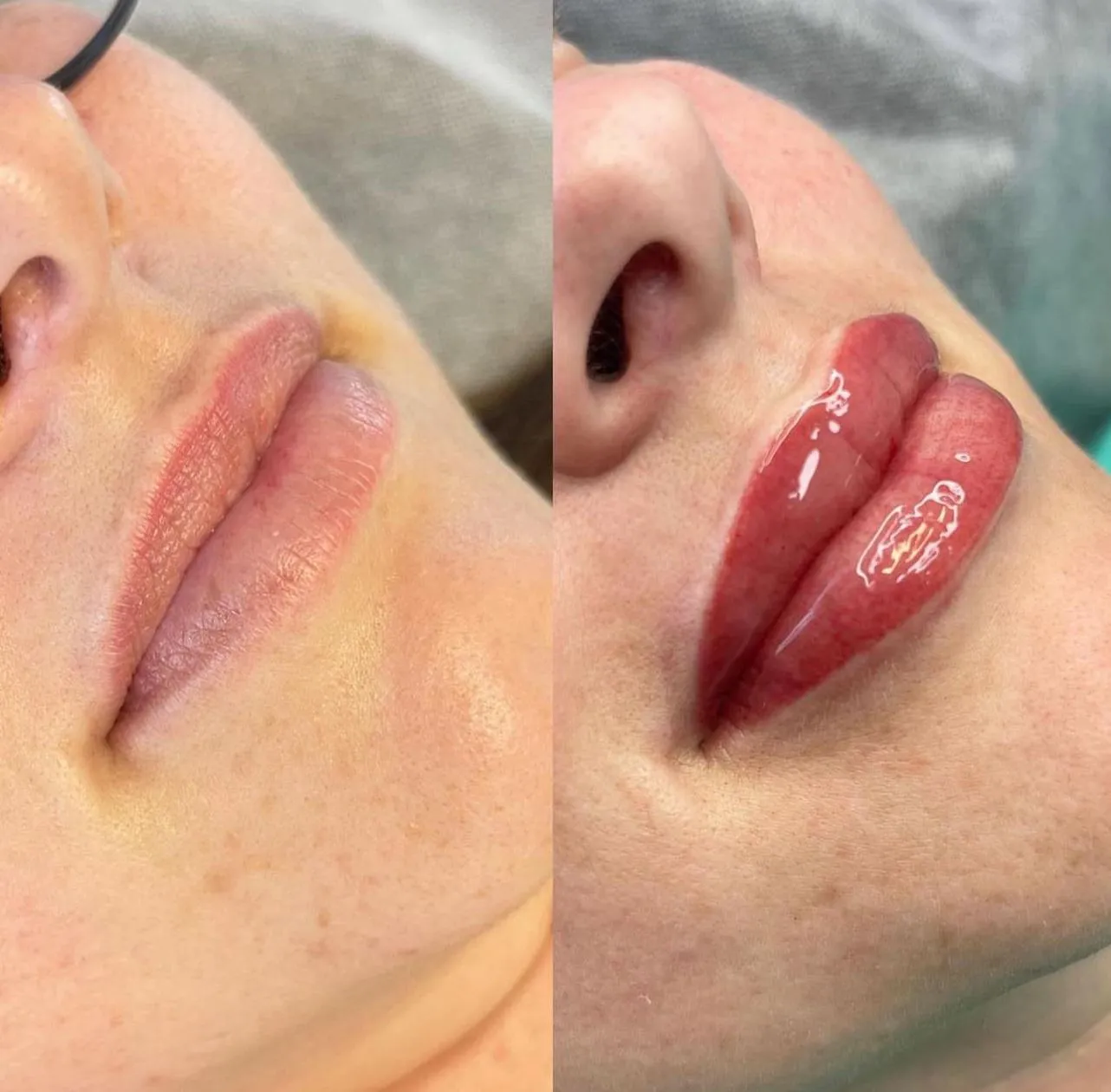
Just because someone’s a nurse doesn’t automatically mean they’re skilled in permanent makeup or medical tattooing — and just because someone isn’t, doesn’t mean they lack precision or knowledge. In cosmetic tattooing technique, experience and infection control are what keep you safe and happy with your results.
At Cosmetic Tattoo Studio Melbourne Face Figurati, we operate under the same hygiene standards you’d expect in a medical treatment setting: single-use tattoo tools, sharps container disposal, hospital-grade disinfectants and strict control over tattooing equipment and tattoo ink safety. That’s not because the law says only medics should — it’s because bacterial infections and immune problems are preventable when you follow correct procedures.
What to check before booking:
- Current council health licence displayed in the studio
- Infection control certification (HLTINFCOV001 or updated equivalent)
- Portfolio of healed work, not just fresh tattooing procedures
- Evidence of ongoing education in pigment science, skin anatomy and safety protocols
Non-Med Face Tattooists
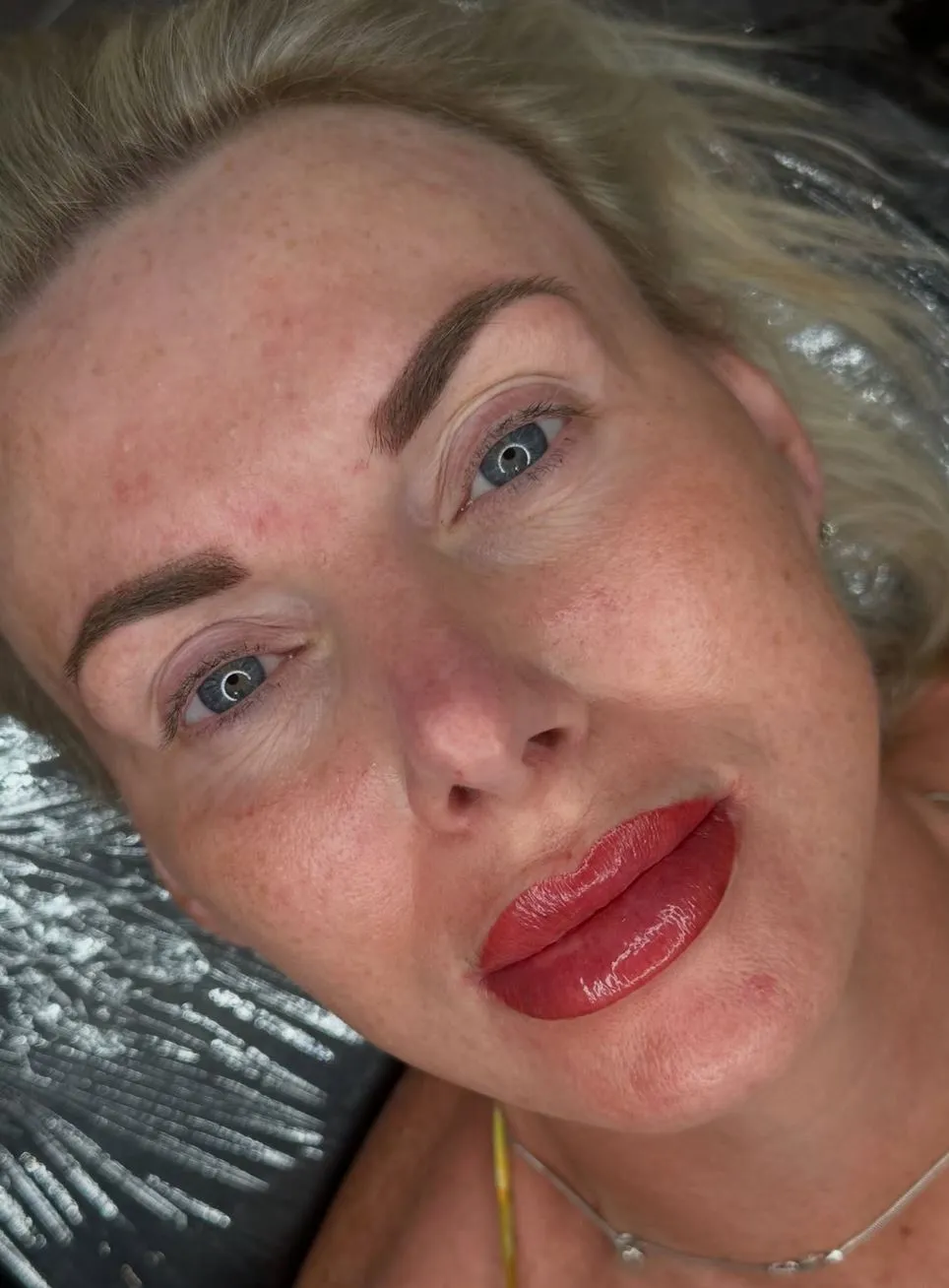
So you’re a non-medic wanting to get into the beauty therapy industry. Good news is everything you need to know about cosmetic tattoo pigments, tattooing equipment and topical anesthetics can be taught — but not in a weekend crash course. Cosmetic tattooing is a high-stakes craft. Mistakes don’t just fade away; they require laser removal or camouflage.
Essential knowledge areas:
- Skin Anatomy & Healing: Skin types, scar tissue and how they respond to skin penetration procedures.
- Colour Theory & Pigment Retention: Choosing pigments that heal true-to-tone across various undertones.
- Machine & Tool Mastery: Adjusting tattoo tools, needle depth and speed for different areas and skin conditions.
- Client Consultation & Ethics: Knowing when to refer for medical treatment or decline work.
I’ve trained students from personal care backgrounds, hairdressing procedures, make-up application and beauty therapy. The most successful weren’t medics — they were detail-obsessed, patient and committed to infection prevention.
Melbourne’s Rules for Non-Med Cosmetic Tattooists
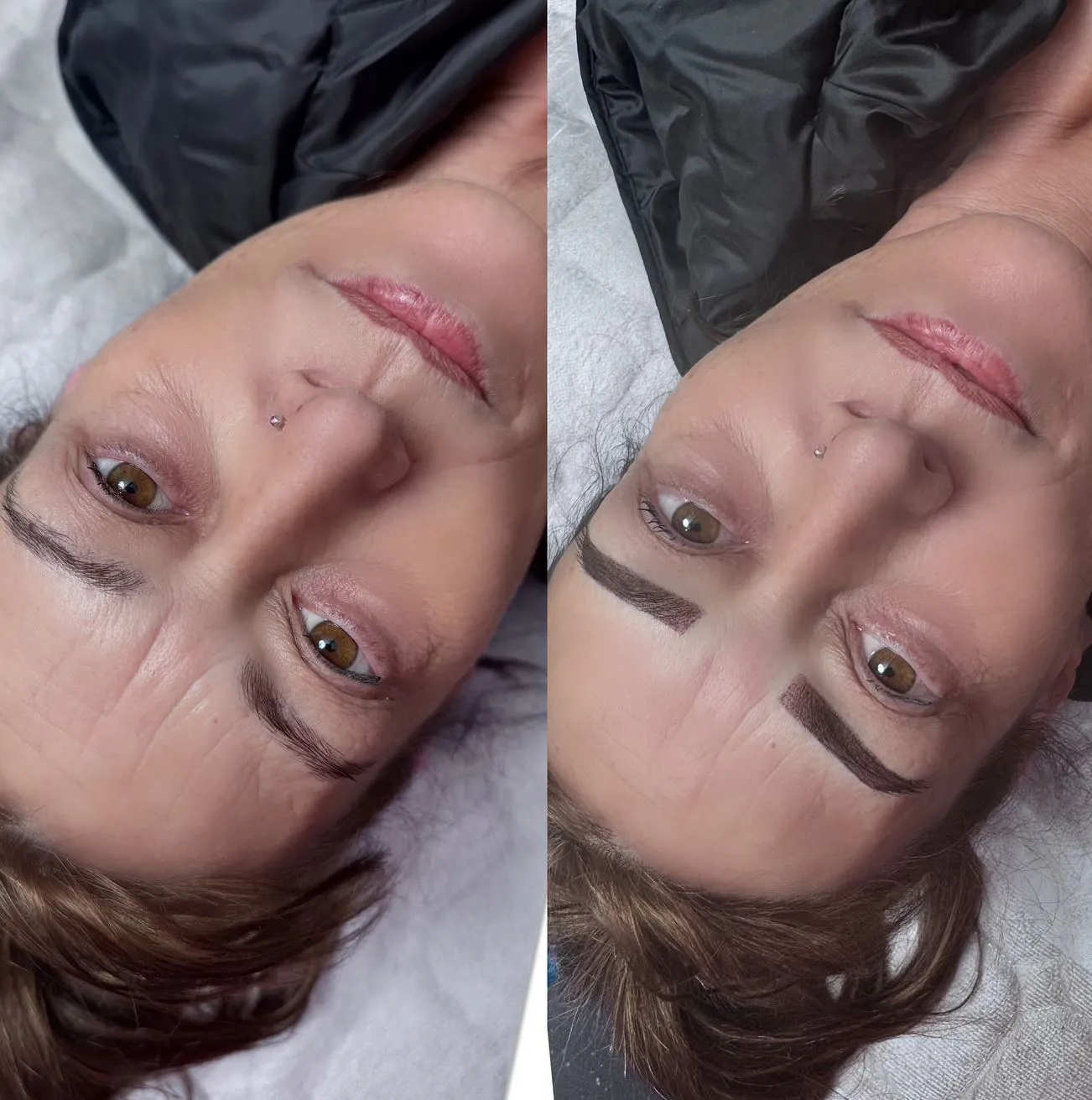
In Victoria, cosmetic tattooing is a form of skin penetration procedure under the Public Health and Wellbeing Act 2008. This means:
- You must register your premises with the local council.
- You must follow the Infection Prevention and Control Guidelines for Hair, Beauty, Tattooing and Skin Penetration Industries.
- Artists must complete infection control training from an accredited provider.
- There is no legal requirement to be a medic, but there are legal obligations for hygiene, sterilisation of tattooing equipment and safe disposal of sharps containers.
| Requirement | Applies to All Tattooists | Medical Qualification Needed? |
|---|---|---|
| Council Premises Registration | Yes | No |
| Infection Control Certification | Yes | No |
| First Aid Certificate | Recommended | No |
| Medical/Nursing Degree | No | No |
| Industry-Recognised Tattoo Training | Yes | No |
| Parental Consent Form (Under 18) | Yes | No |
| Age Limits Compliance | Yes | No |
Why Medics Brand Cosmetic Tattooing as ‘Safer’
You see ads that say, “Only trust a nurse with your cosmetic tattoo”. While medical training covers anatomy, wound care and infection control, it doesn’t teach brow mapping, pigment blending or advanced tattooing procedures. Those come from beauty therapy and permanent makeup training.
The safest hands belong to those who:
- Know infection control and industry-specific guidelines
- Have extensive healed results in cosmetic tattooing
- Use approved cosmetic tattoo pigments and tattooing equipment maintained to standard
When to Refer Clients to Medical Professionals
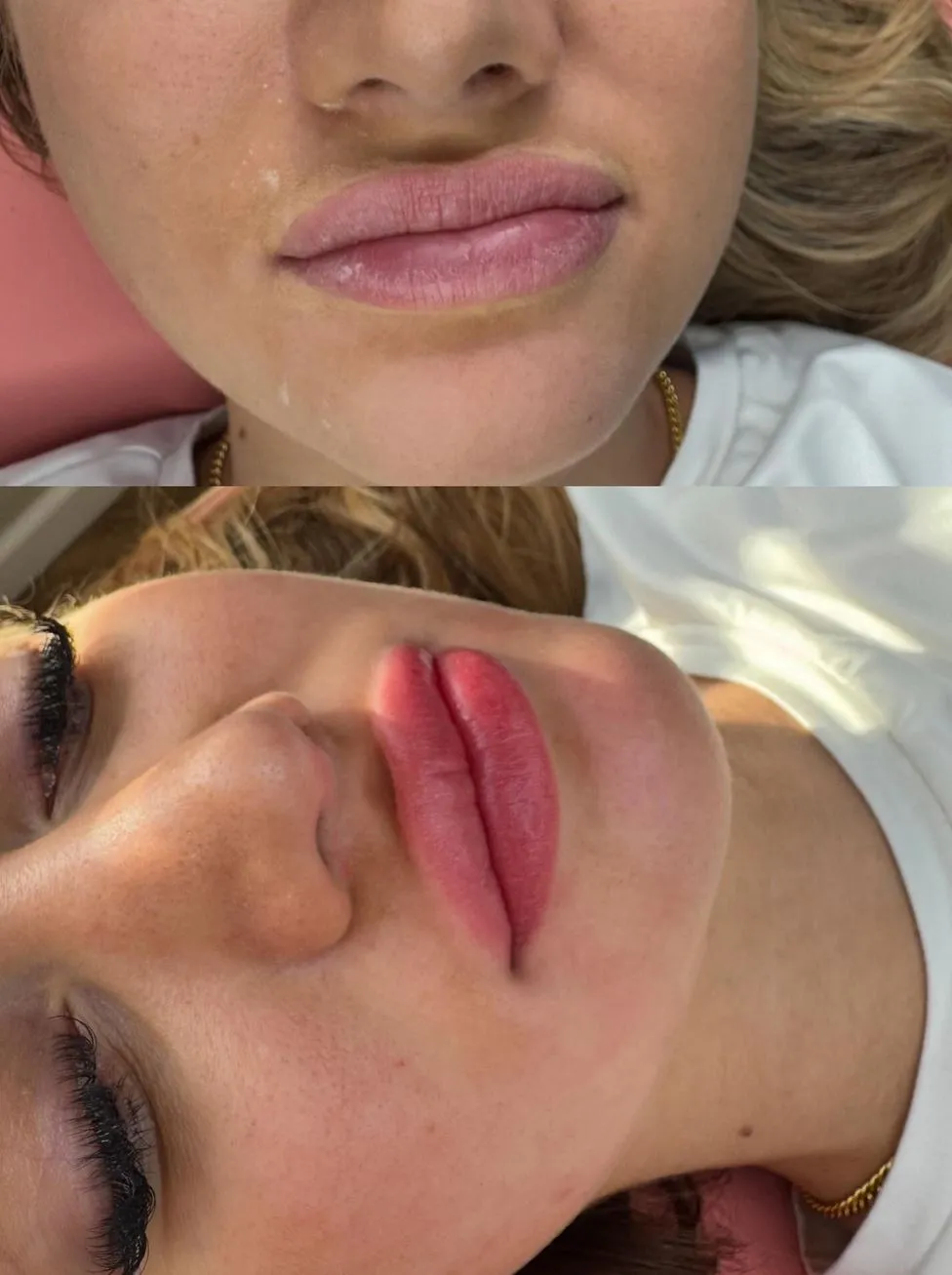
There are times when a non-medical professional should defer to a healthcare provider:
- Clients with immune problems or compromised healing
- Those on medications like blood thinners or using hydroxy acids in the treatment area
- Suspicious skin lesions that require medical treatment
- Post-cancer scar camouflage work
At Cosmetic Tattoo Studio Melbourne Face Figurati, I’ve referred clients to dermatologists before continuing with tattoo services. This is part of a responsible tattoo operator’s work.
The Risk of Inadequate Training
The biggest risk in allowing non-medics to perform tattooing procedures isn’t their job title — it’s lack of proper infection control, pigment knowledge and tool handling. A two-day course can’t teach you industry-specific guidelines or how to avoid permanent damage.
I’ve corrected work where clients were left with:
- Blue grey brows from poor pigment choice
- Uneven eyeliner from unsteady needle control
- Scarring from incorrect needle depth in skin penetration treatments
These are not just aesthetic issues — they can require ongoing medical treatment.
Building Client Trust as a Non-Medical Artist
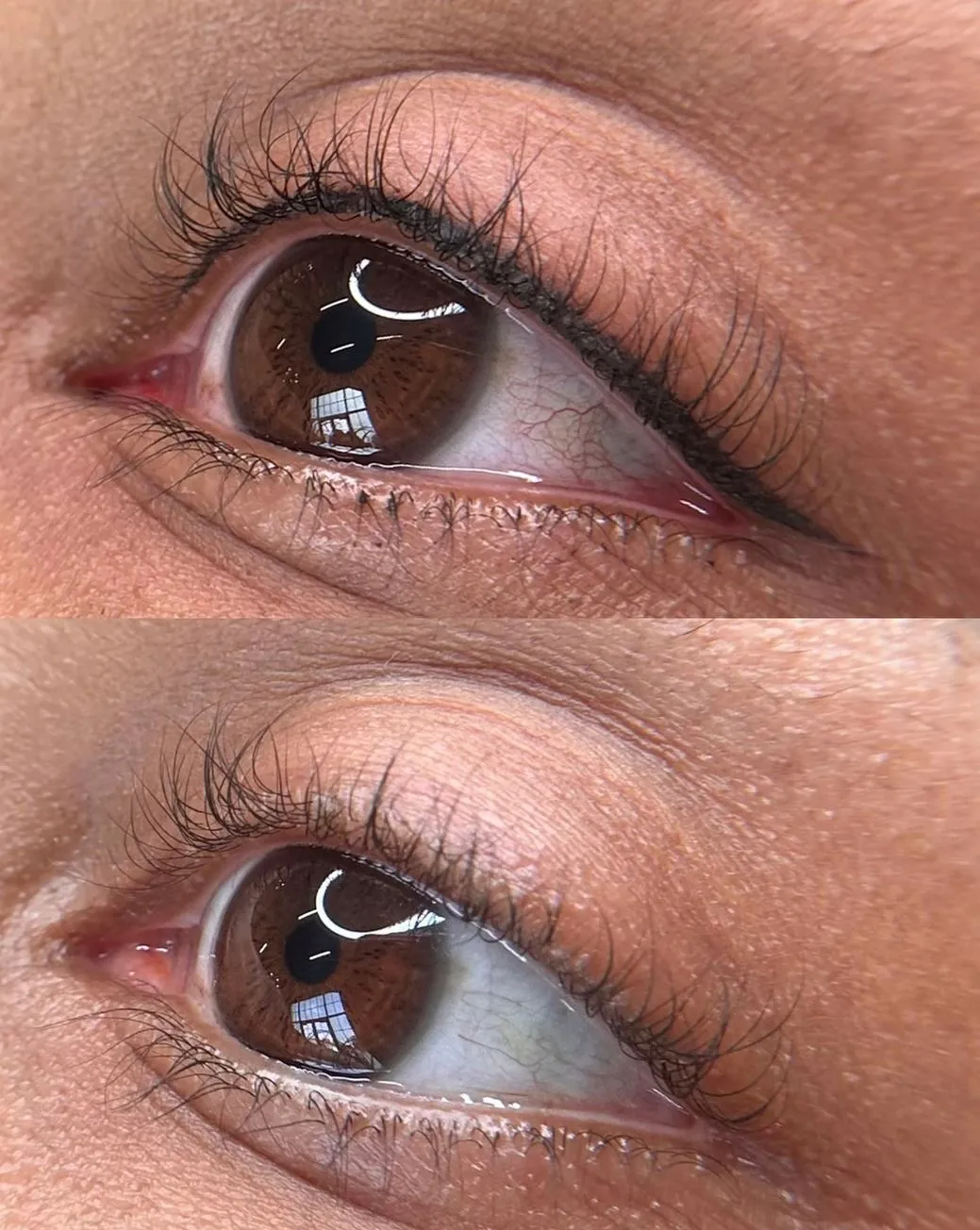
If you’re entering tattoo services without a medical background, here’s how to build credibility:
- Show your credentials: Infection control, public health compliance and council licensing.
- Explain your process: Topical anesthetics to sharps container disposal.
- Keep learning: Advanced courses in brow treatments, scar camouflage and permanent eyeliner.
- Collaborate with medics: For high-risk cases or medical tattooing referrals.
Final Thoughts — Safety is a Skill, Not a Job
Cosmetic tattooing is between beauty therapy and medical tattooing. You don’t have to be a medic to do it, but you must follow public health and infection prevention standards as strictly as any healthcare worker. At Cosmetic Tattoo Studio Melbourne Face Figurati, we think cosmetic tattoo is an art form and a regulated service, and we treat it as such.
FAQ
Can non-medics do cosmetic tattooing in Melbourne?
Yes if they follow public health regulations, infection control guidelines, age limits and get parental consent forms where applicable.
Do medics get better results than non-medics?
Not always. Results come down to pigment choice, technique and infection prevention protocols, not just medical qualifications.
What hygiene measures should a tattoo operator follow?
Use sterile tattoo equipment, safe tattoo ink, sharps containers and follow infection prevention and control guidelines.
Can a non-medic do scar camouflage or medical tattooing?
Yes, if trained in those tattoo services, but they should refer cases that need medical treatment to a doctor.
Are short beauty therapy courses enough to do skin penetration treatments?
No — quality training covers tattoo tools, pigments, infection control and client safety over an extended supervised period.