

Eco-luxury in Australia – I reckon it’s more than just serving up a cracking glass of Tassie pinot at sunset. It needs to put its money where its mouth is, funding reef science, protecting native bushlands, backing Indigenous ranger programs, and running on renewable energy without you even having to think about it. If your room rate doesn’t actually go towards some kind of conservation in a way you can actually see, then it’s just a pretty pricey bed to sleep in.
I’m Paul, and I’ve been in this industry long enough to see both sides of the coin. I’ve watched coral reef rehabilitation projects struggle for cash, and I’ve seen hotels quietly putting serious dollars into wildlife initiatives while guests are sipping on local gin. But the difference is, the good operators show you where that money’s going.
Want the short version? Look for eco-friendly hotels that use solar panels, operate on 100% renewable energy, limit guest capacity, and partner with local wildlife conservation groups. Everything else is just noise.
Let’s break down the Australian properties that actually back up their eco-friendly claims with some real action.
Contents
- 1 Kangaroo Island: Regeneration On A Wild Southern Coast
- 2 Reef And Rainforest: Money Where It Counts
- 3 Tasmania And The Snowy Mountains
- 4 Queensland Outback And Beyond
- 5 Real Eco Stays vs Greenwash
- 6 Costs, Access, And What To Realistically Expect
- 7 Why This Matters Now
- 8 Travel With a Soul, Not Just a Plan
- 9 FAQ
Kangaroo Island: Regeneration On A Wild Southern Coast

When those devastating bushfires tore through Kangaroo Island, they decimated huge areas of native bush and threatened heaps of native species. Recovery’s going to be a long game, and the best operators know that’s where the real work lies.
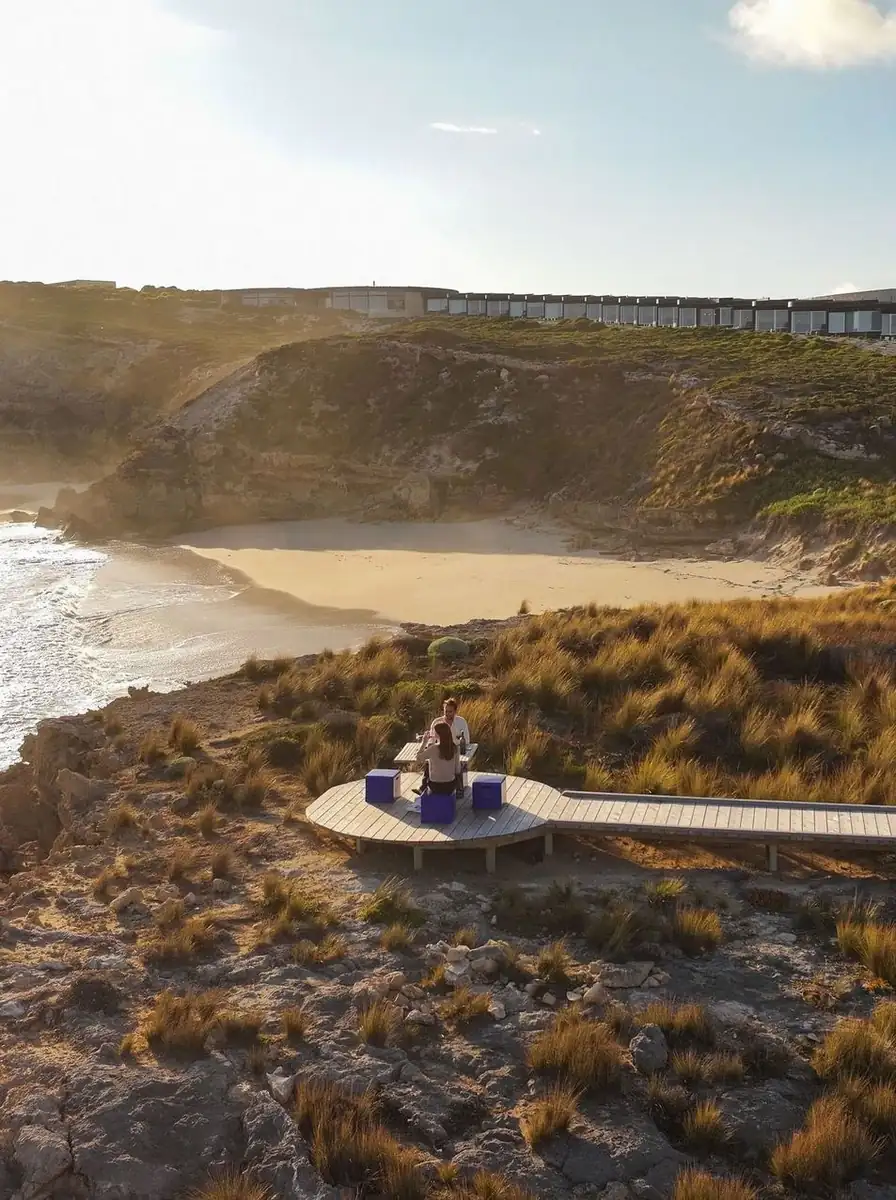
Southern Ocean Lodge sits pretty on a wild stretch of coast with its cliff-edge suites staring right out at the Southern Ocean. But what’s behind those fancy buildings is a whole lot more impressive: renewable energy systems and water management strategies are in place to keep the place as green as possible. And the rebuild after the fires kept sustainability front and centre, not an afterthought.
Not too far away, Ecopia Retreat goes the whole hog and runs entirely off-grid. Solar panels keep the Eco Villas powered, rainwater tanks supply the entire property, and the eco lodge design protects the surrounding habitat rather than flattening it. This is what it means to be off-grid done the right way.
When I take my mates on a trip there, I tell them to slow right down at dusk – that’s when you’ll spot the roos, echidnas and goannas sneaking through the tracks. This is Australian wilderness in recovery mode, not some big theme park.
Reef And Rainforest: Money Where It Counts

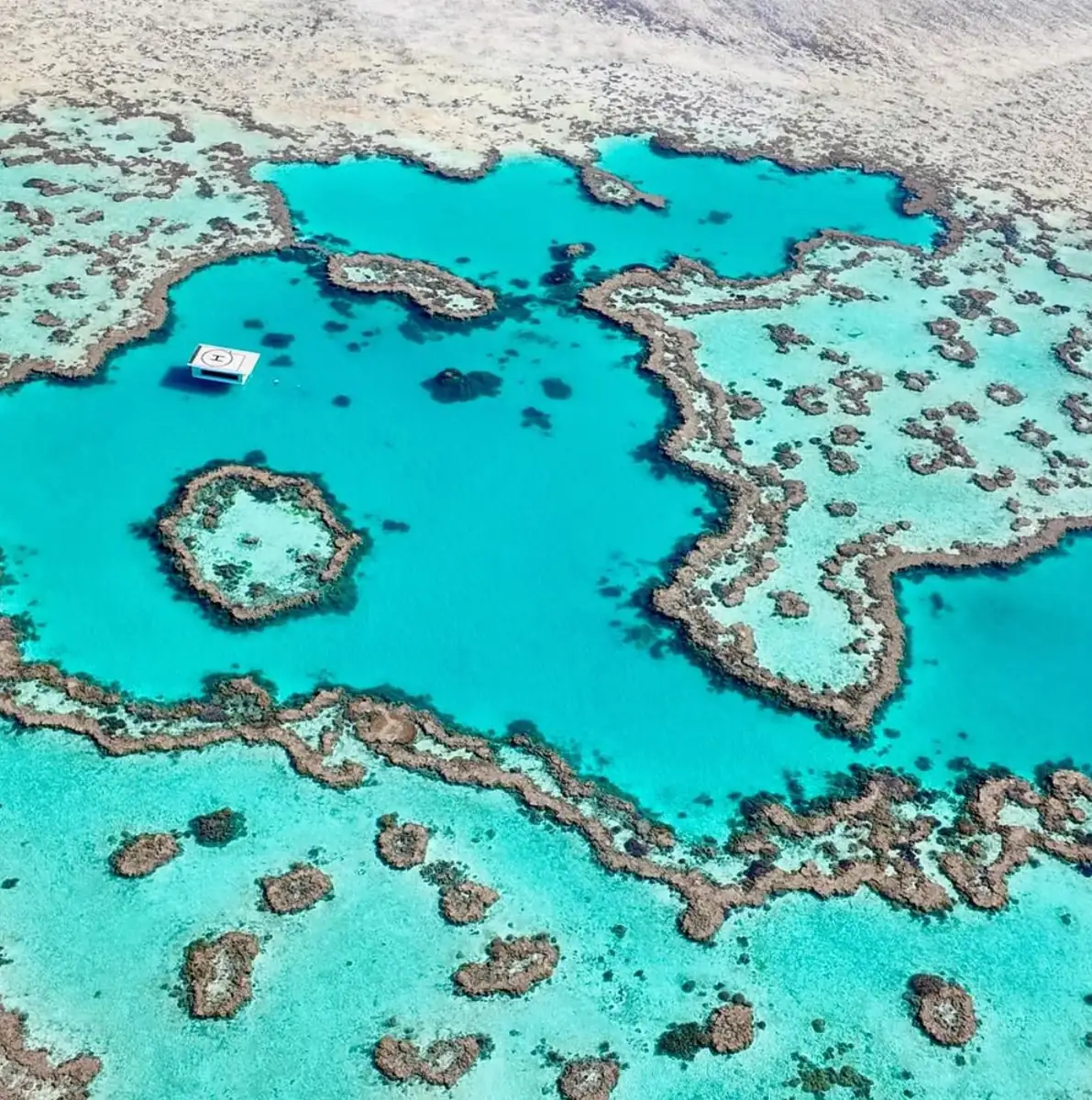
The Great Barrier Reef is a massive stretch of coral along Queensland’s coast, running over 2,300 kilometres. It’s the world’s largest coral reef system & it’s under serious pressure from climate change and rising sea temperatures. Coral bleaching events aren’t just something that happens in a lab; they’re real events that are happening right now.
On Hamilton Island, the sustainable hotels are getting into reef education and coral reef rehabilitation partnerships. They’re encouraging guests to take responsible marine practices and guided tours seriously so they can understand the ecosystem they’re entering. Brands like Great Barrier Reef Tours connect guests with reef-safe experiences that prioritise education over just increasing numbers.
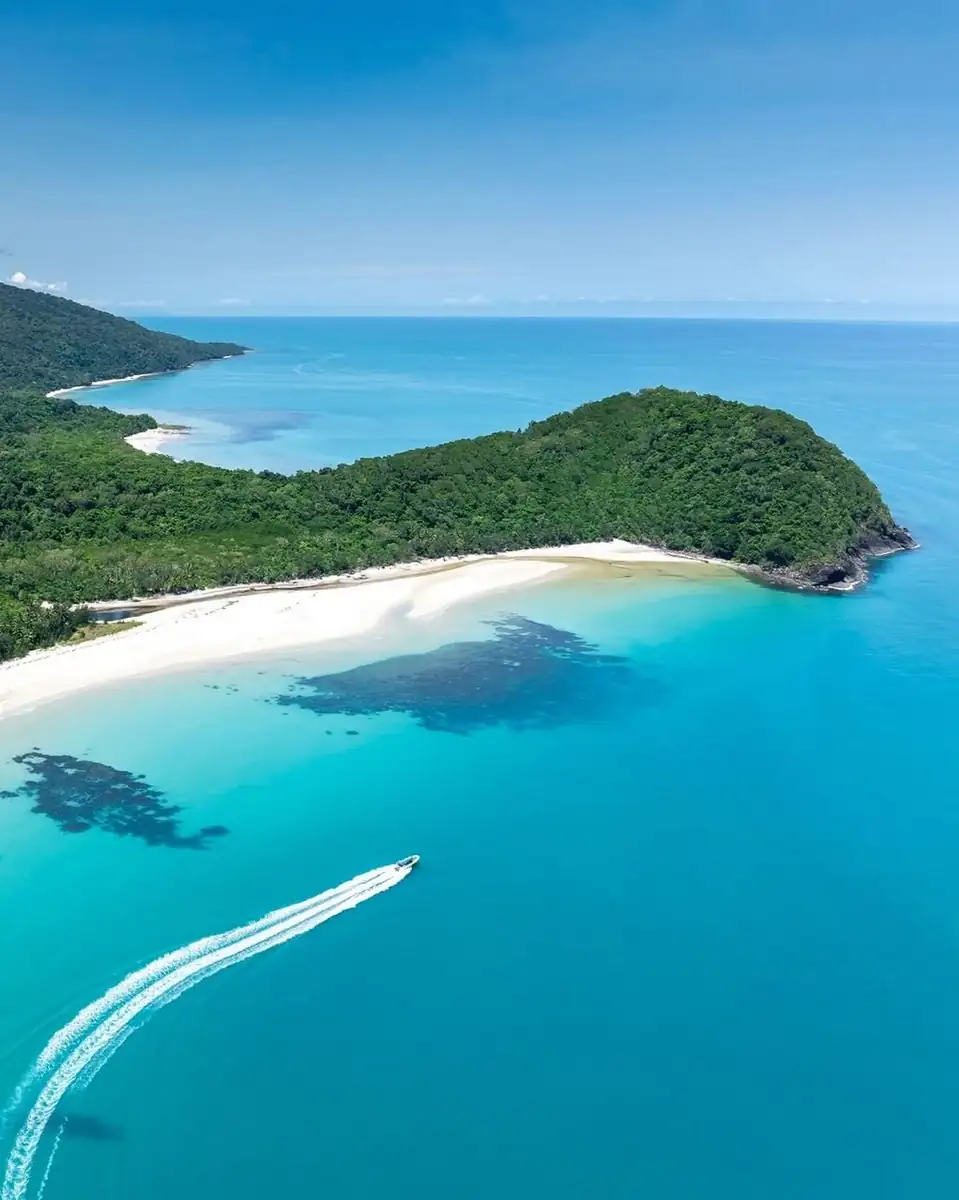
Further north, the Daintree Rainforest is home to one of the oldest rainforests on the planet. Any eco hotel in this region needs to prioritise renewable energy, recycling programs, and minimising clearing. Soil structure is protected by boardwalk access, guest numbers are capped & wildlife watching is respectful & guided.
You shouldn’t be on a reef trip that feels like you’re just throwing 50 people into a boat to churn out cash. Select the options that align with sustainable tourism principles and have clear wildlife initiatives.
On the Gold Coast, even the jet ski tour operators in Surfers Paradise are now talking about being environmentally aware. And who knows, that’s still a sick way to experience the coast, but they’re getting it right. Context matters.
Tasmania And The Snowy Mountains
Saffire Freycinet has this amazing mix of architecture and environmental sensitivity. Their passive solar design reduces heating loads, and energy-efficient lighting reduces electricity use. And instead of bringing in all sorts of fancy flown-in food, they’re working with local producers to keep it as local as possible.
Out in the Snowy Mountains, they have a different conservation story. The Yarrangobilly area is popular year-round, with the caves, thermal pool, and all that. But beneath the surface, they’re hard at work saving species like the southern corroboree frog, which is under serious threat from disease and climate change.
Stop by a local visitor centre, such as Tumut & you’ll see a range of displays explaining how tourism supports local wildlife conservation. That’s what you call sustainable travel.
When you’re out hiking, just stick to the tracks. The native species are under enough stress without you traipsing all over their habitat.
Queensland Outback And Beyond
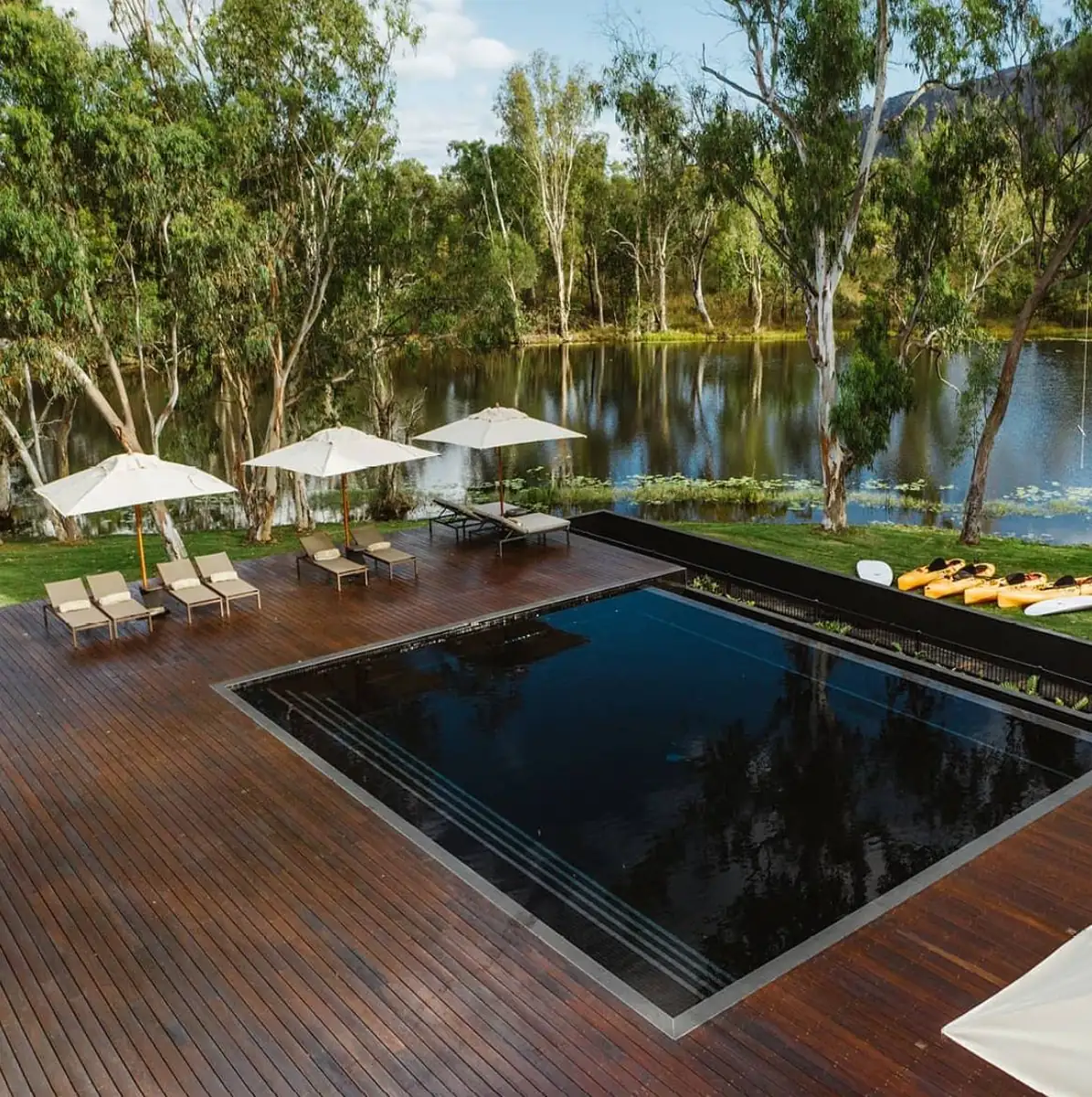
Mt Mulligan Lodge is in the middle of nowhere, with zero reliance on the grid, using solar power to keep it running. That reduces strain on the infrastructure and lowers emissions.
People come up here for the wildlife and the sky and all that. And they stay because it shows that you can do comfort the right way – eco-tourism without sacrificing the experience. It’s not just roughing it in the bush; it’s structured tourism that also looks after the environment.
The same goes for the rest of the world. Places like The Brando and Fogo Island Inn demonstrate what sustainable leadership looks like. Writers have been saying this for ages – Juliet Kinsman and Michael Harden are just a couple of the people who’ve highlighted the best eco-resorts in the world.
Australia actually has some world-class eco-hotels of our own. We don’t need to look overseas to places like TreeCasa in Costa Rica or Torres del Paine in Patagonia for inspiration. We can do this ourselves.
Real Eco Stays vs Greenwash
You don’t need a degree in environmental science to spot the fake stuff – you just need to ask the right questions.
A real eco hotel will show its colours with:
- Renewable energy sources like solar panels – not just a fancy website picture
- Actual recycling programs in place – not just a token box
- Clear and transparent conservation fees – you can see exactly how they’re being used
- Real partnerships in local wildlife conservation – not just a distant relationship
- Some kind of credible certification like Green Globe or Green Key Global – it’s not just a fancy label
If the website is obsessed with “luxury immersion” but can’t even be bothered to mention the measures they take to save energy, be very sceptical.
Some places get away with calling themselves an “eco villa” or “eco lodge” without ever telling you what makes them sustainable – but that’s just a sign to dig deeper.
Even a jet ski tour off some tropical island will now claim to be “marine responsible” – but the proof is always in the way they actually do things, not just what they say.
Costs, Access, And What To Realistically Expect
Eco-friendly hotels in the middle of nowhere in the Australian bush aren’t cheap – expect to pay AUD $900 to $3,000 or more per night, depending on where you are and what you get. That usually covers guided tours, eating local food, and contributing to conservation efforts.
You’ll also have to factor in:
- The wet season in northern Australia can make access a nightmare
- Summer months are bushfire season – you might have to evacuate
- Cyclones can pop up between November and April – be prepared
- Road conditions in remote areas can be pretty rough
If you’re booking with a company like Great Barrier Reef Tour, ask how they verify whether their partner hotels are actually sustainable.
Sustainable travel means sacrificing some of the frills – so you might not get a giant resort pool or a nightclub. But in exchange, you can see wildlife without the crowds, join guided tours that provide context, and leave a smaller footprint.
Why This Matters Now
Climate change is significantly impacting Australia’s ecosystems: the Great Barrier Reef is experiencing bleaching, native bushland is burning more frequently, and amphibians such as the southern corroboree frog are struggling to survive.
Sustainable tourism won’t fix the climate crisis, but it helps fund wildlife conservation efforts and local conservation projects that would otherwise struggle to stay afloat.
When you choose an eco-certified hotel or a carbon-neutral destination, you create some pressure on the operators to change – so they start putting in renewable energy systems, and designing their buildings to be more energy-efficient.
That’s a big deal.
Travel With a Soul, Not Just a Plan
You’re prepared to spend a pretty penny on luxury – now let’s make sure it’s worth it. Plough your cash into places that’ll actually do some good. We’re talking eco-friendly hotels that not only invest in renewable energy but also support local wildlife conservation and protect native habitats.
I’ve been watching the tourism industry evolve over the years – and I’ve seen the damage it can do, as well as the good it can achieve when done right. I’ve witnessed fragile landscapes battered and beautiful, regenerating thanks to thoughtful travellers who care.
The Australian wilderness doesn’t need masses more visitors – it needs people who understand what we’re talking about here.
FAQ
Does actually staying at an eco place really make a tangible difference?
The answer is yes when the place is transparent about where it allocates its conservation dollars, has renewable energy systems in place, and works with local wildlife conservation programs.
Are these eco properties completely severed from the grid?
Some places are fully off the grid, like those super cool Eco Villas on Kangaroo Island. Others use a mix of renewable energy and local grids to keep the lights on.
Does going eco mean I have to rough it, or sacrifice comfort?
Not on your life. Modern solar panels, energy-efficient lighting and water systems do a fantastic job of supporting high-end comfort without destroying the planet.
How can I trust the claims they make about being eco-friendly?
Look for that Green Globe or Green Key Global certification, which actually means something. Review their sustainability reports to determine whether they have partnerships with wildlife groups or coral reef restoration projects.
Are there eco options for places that aren’t hard-to-reach wilderness?
You bet your life there are. Places like Hamilton Island, the Daintree Rainforest, and the Snowy Mountains have hotels that do sustainability the right way.