

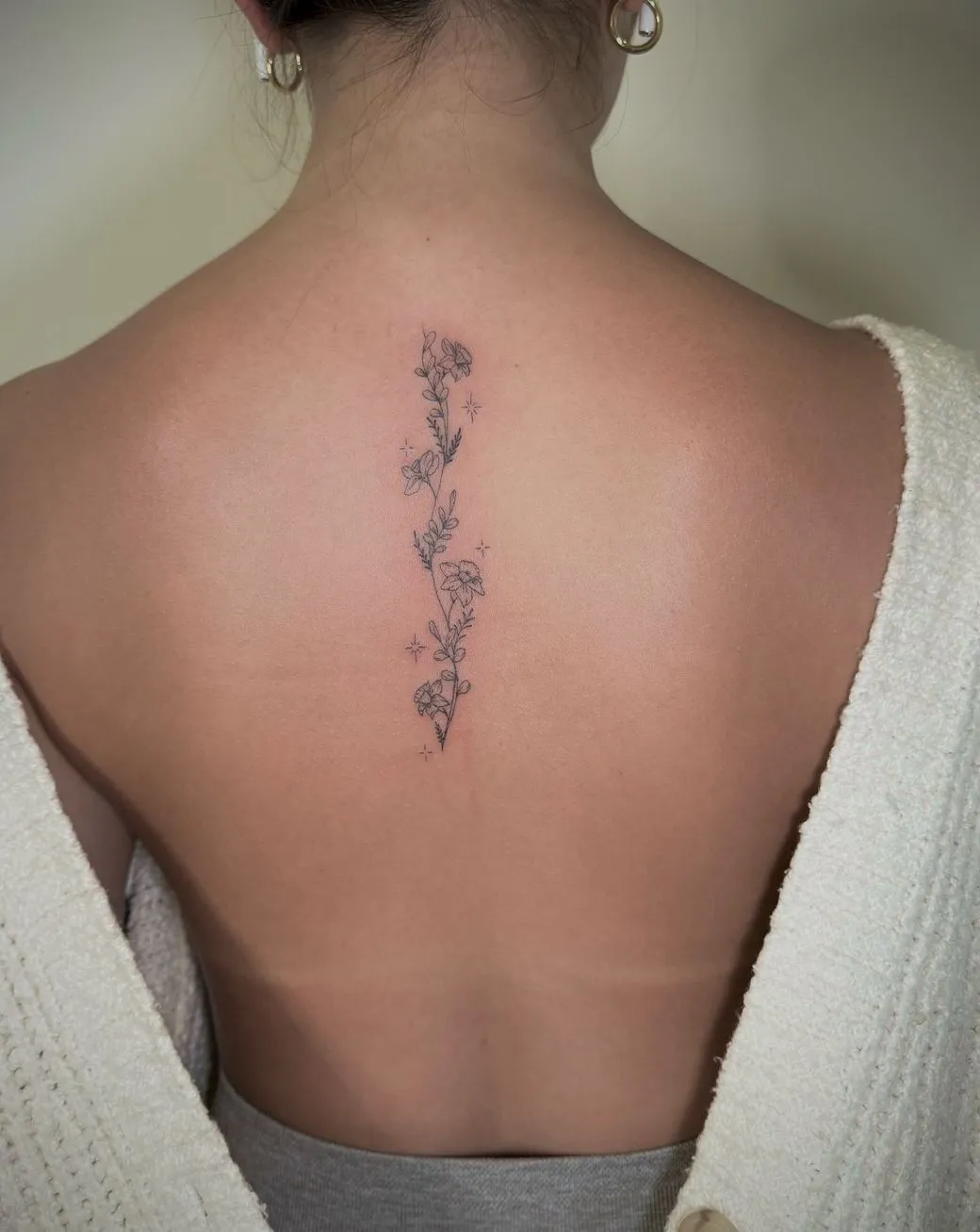
A fine line tattoo can be incredibly expressive while remaining subtle and sophisticated, making it a favourite among first-timers and seasoned collectors alike.
If you’ve scrolled through tattoo inspo lately, you’ve likely seen a fine line tattoo or two — those delicate, detailed designs that look more like a whisper than a shout. They’re having a serious moment right now, and in my Melbourne studio, I get asked this one question all the time: “Are fine line tattoos just for women?“
Short answer? Nope. But let’s unpack that a little, because it says a lot about how we see beauty, self-expression, and gender norms in 2025.
At Cosmetic Tattoo Melbourne Studio Face Figurati, we’ve helped countless clients find the right design that speaks to their story, not just what’s trending online.
Contents
What Is a Fine Line Tattoo?
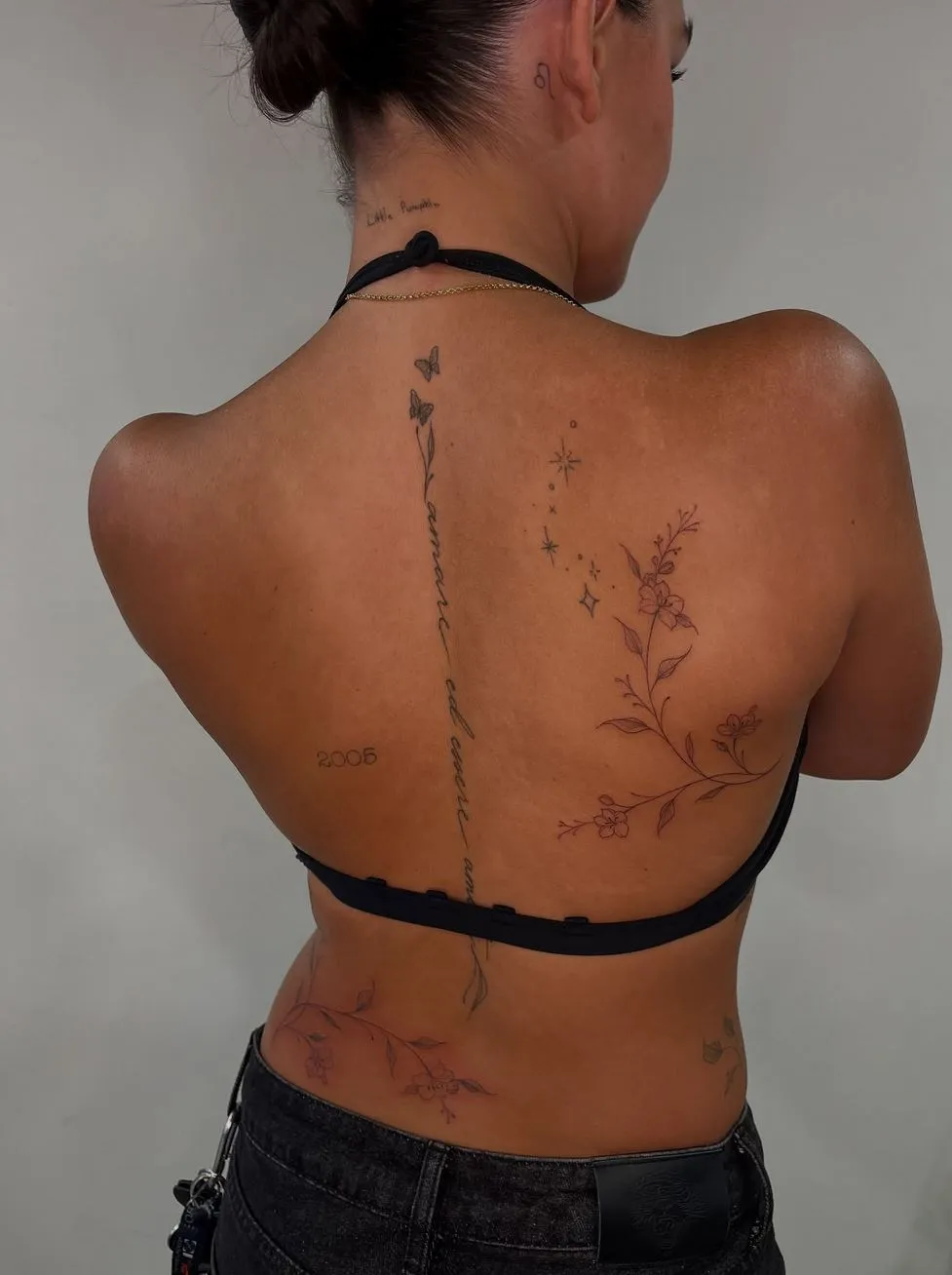
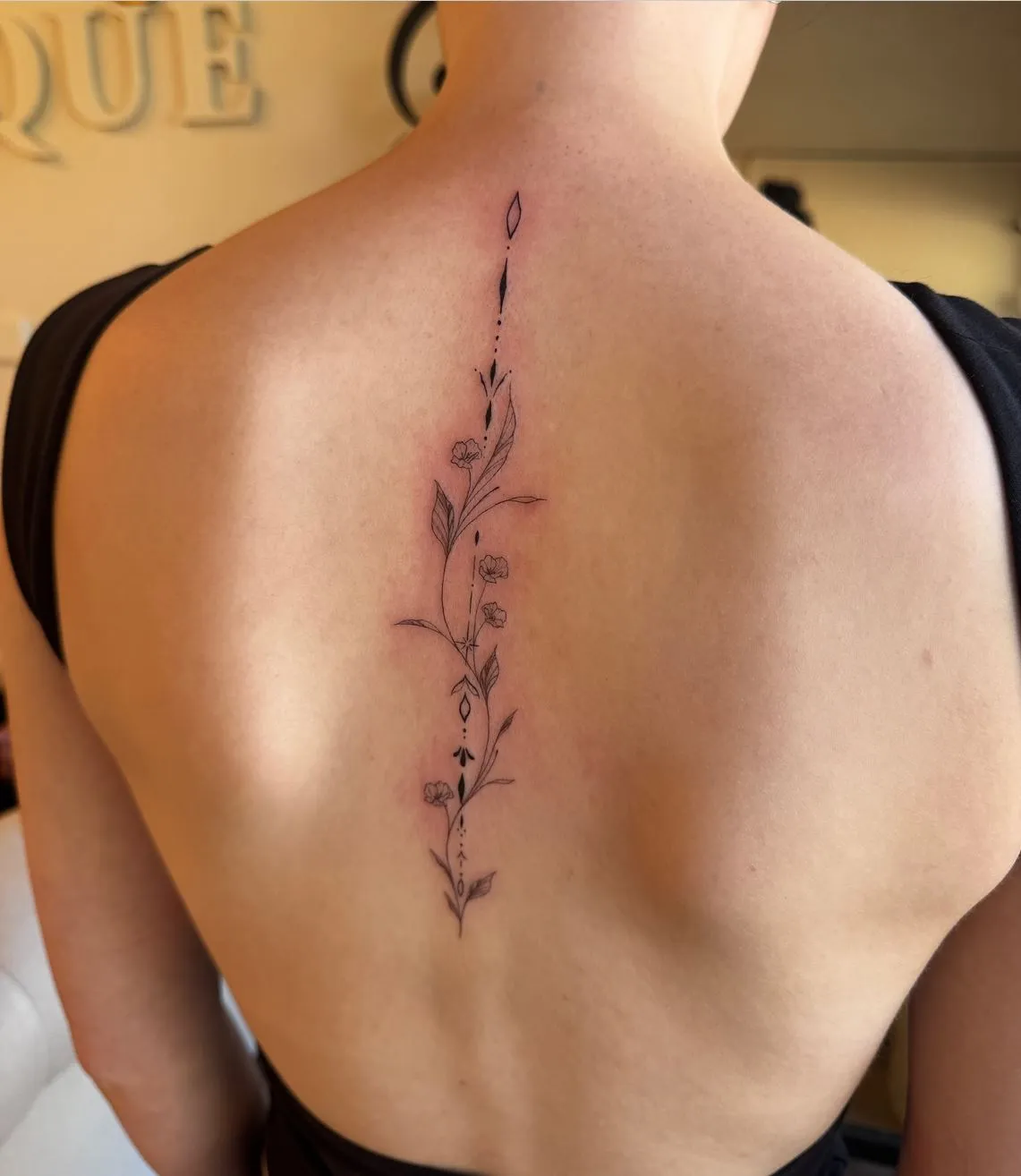
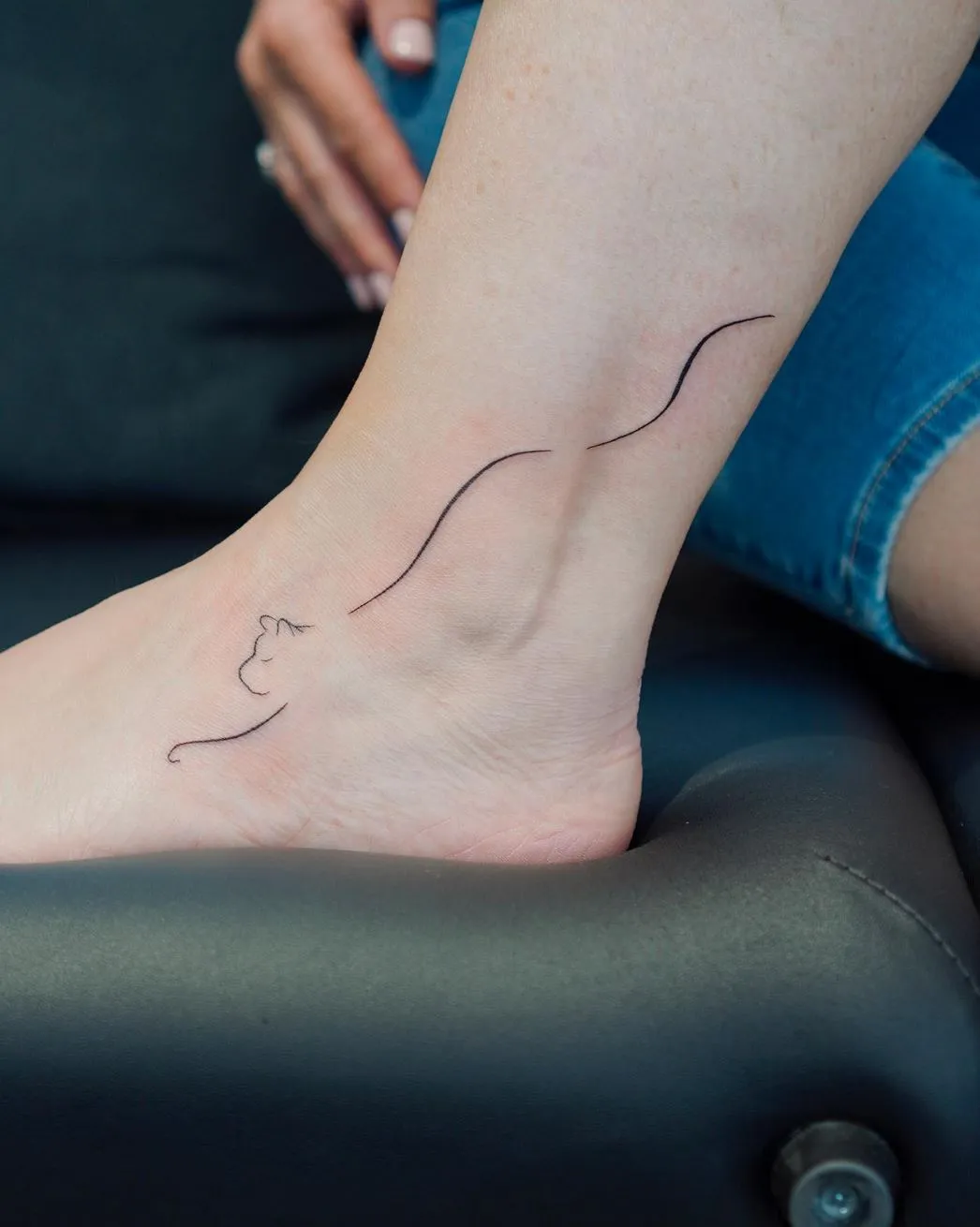
Fine line tattoos are created using single needles or very small groupings (like 1RL or 3RL). The result? Ultra-thin, crisp lines and minimalist detail. They often focus on elegant designs, botanical elements, tiny symbols, or intricate text. You might hear them called micro tattoos, single-needle tattoos, or dainty tattoos.
These tattoos feature intricate details, precise lines, and a unique style of tattooing that can express everything from innermost emotions to a touch of grace. Some popular tattoo ideas in this space include Butterfly tattoos, heart tattoos, and even geometric patterns that speak to your personal aesthetic.
Unlike traditional tattoos that use thicker outlines and shading, fine line work is more subtle. It sits closer to the surface of the skin, which can make it fade faster — something we always chat about during consults.
Why Are Fine Line Tattoos Called Feminine?
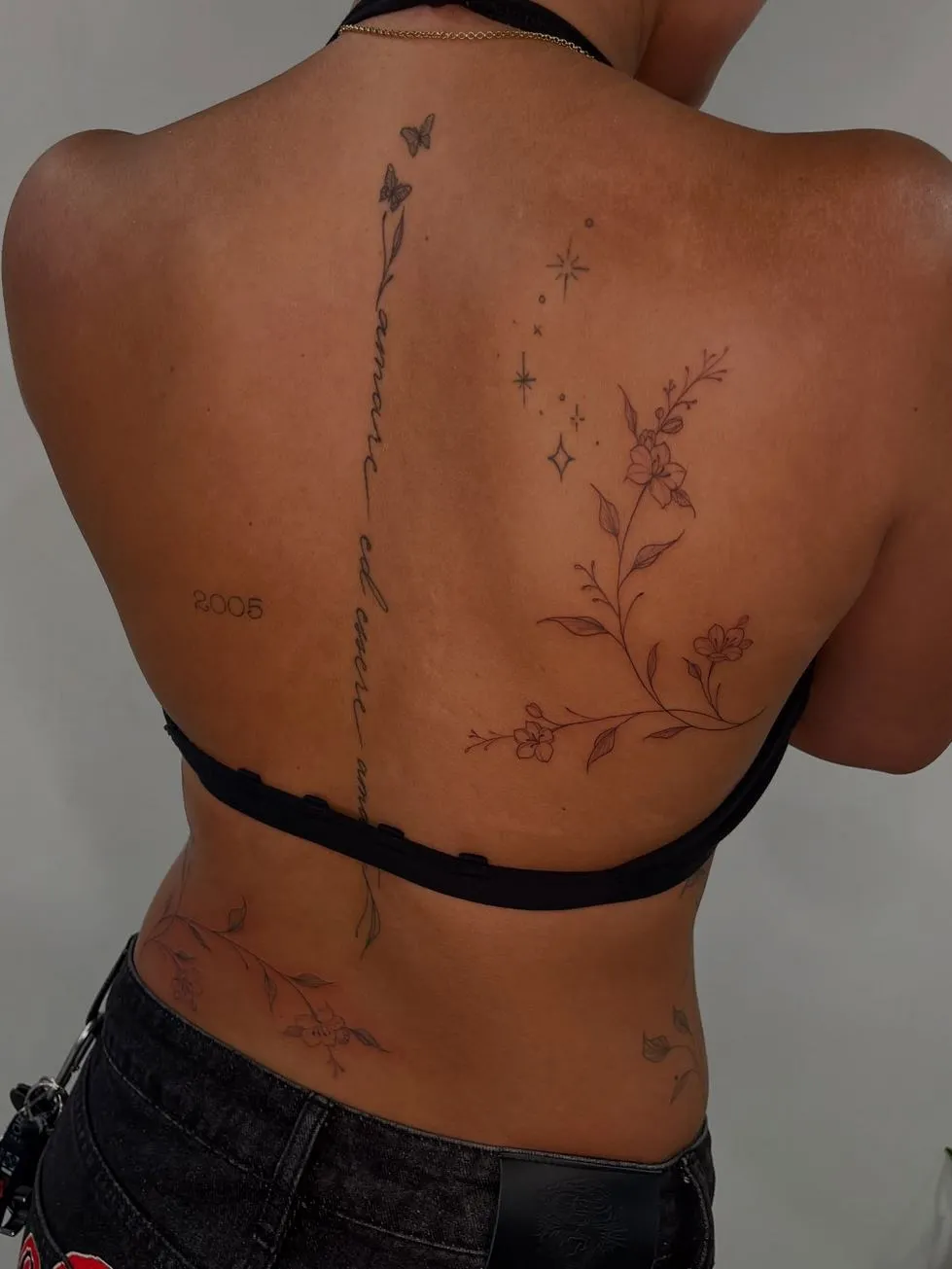
Let’s call it what it is: a bit of a stereotype. Delicate = feminine, bold = masculine. We’ve seen the same thinking in makeup, fashion, and even handwriting.
Here’s why some people label fine line tattoos as feminine:
- They tend to be small, minimal and understated
- The designs often feature nature, florals, astrology, or script
- They’re frequently placed in softer areas like the ribs, wrist, or behind the ear
- Social media often showcases them as women
But here’s the kicker: style isn’t gendered.
We’ve inked fine line designs on everyone from burly tradies to 60-something retirees. Want a geometric tattoo on your forearm? Done. A red-inked anatomical heart tattoo down your spine? Beautiful. These tattoos are about intent, not gender.
Who Gets Fine Line Tattoos?
Fine line work has blown up for a reason — and it’s not just the ‘feminine aesthetic.’ It’s because:
- People want more personalised, meaningful tattoos
- First-timers love the subtlety
- It’s perfect for professional spaces where visible ink is still taboo
- The healing process is often quicker and cleaner
At Face Figurati, I’ve seen:
- Men requesting fine line memorial tattoos for loved ones
- Women opting for anatomical heart diagrams or constellation maps
- Non-binary clients choosing abstract symbols that reflect identity
| Client Type | Common Fine Line Choices |
|---|---|
| First-timers | Birth flowers, zodiac signs, tiny script |
| Professionals | Coordinates, initials, micro-portraits |
| Creatives | Line art, custom doodles, symbols |
| LGBTQ+ clients | Pride motifs, celestial ink, minimal icons |
| Men (30-50s) | Kids’ names, travel icons, animals |
You’ll find everything from Family portrait tattoos to Sagittarius tattoos, Chicano tattoos, and mountain landscape tattoos. There’s a comprehensive range of fine line designs catering to every personality and purpose.
Why the Artist Matters Most
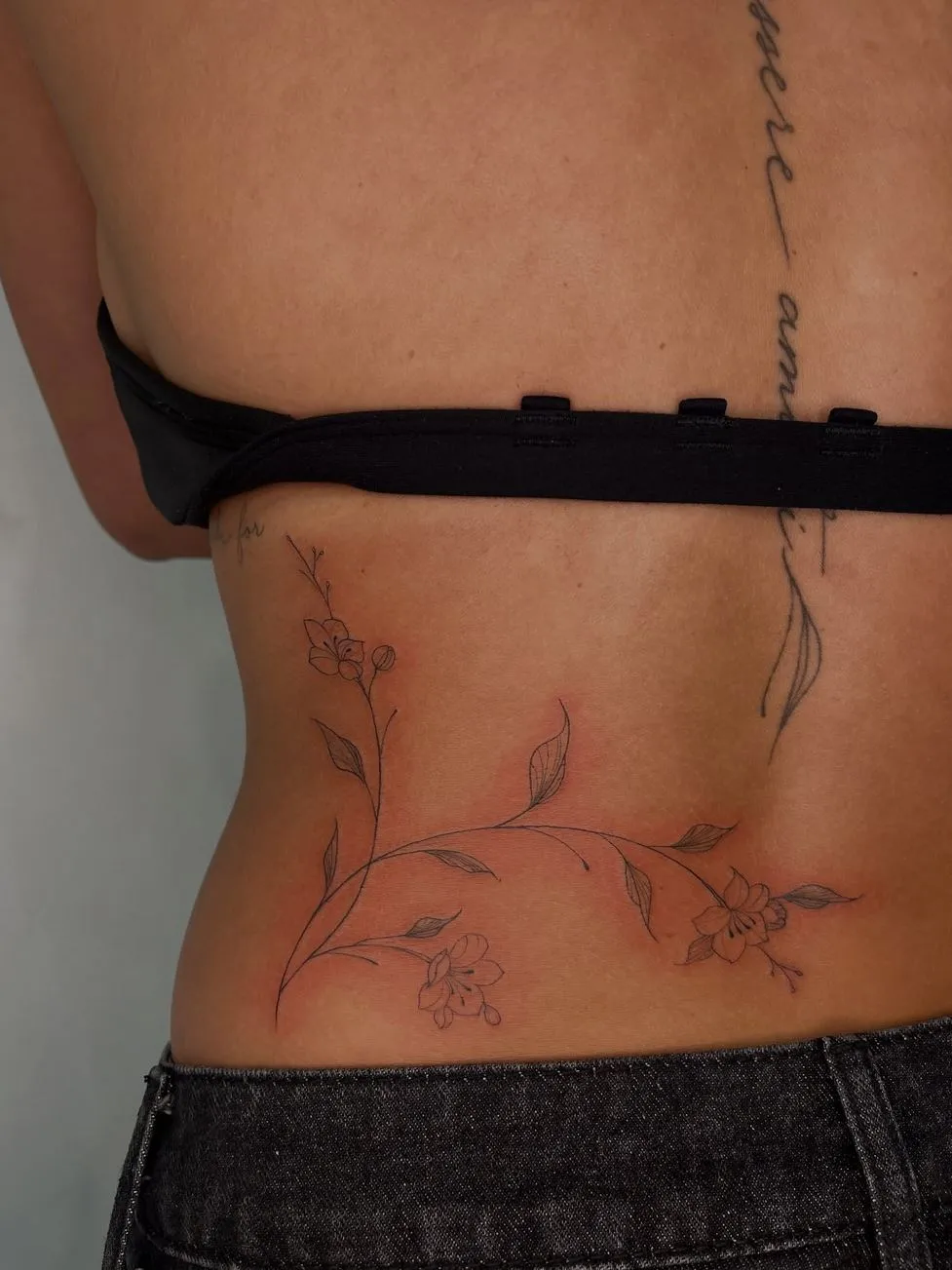
If you want your fine line tattoo to heal well and hold up long-term, you need a skilled tattoo artist who understands the limits of this technique. This isn’t the time for a walk-in flash from someone who usually does thick blackwork.
Fine line tattooing requires:
- Steady hands and a clean machine setup
- A deep understanding of skin depth and ink flow
- Real-world experience with different skin types (especially mature or sun-damaged skin)
- High-quality, stable pigments
And yes, skin tone affects fine line tattoos. On deeper skin, we often tweak line weight or spacing to make sure the design remains clear over time. This is why I always book a proper consultation — it’s not one-size-fits-all.
Whether you’re diving into tattoo artists for the first time or looking to add to your existing ink, the right Tattoo Artist can make or break your results.
Healing, Fading, and Aftercare
Let’s bust the myth: just because it’s a tiny tattoo doesn’t mean it’s low-maintenance.
Fine line ink is more prone to:
- Blurring or blowouts if done too deep
- Fading faster if exposed to the sun
- Needing a touch-up after the initial healing phase
Here’s my aftercare cheat sheet for keeping your fine line tattoo crisp:
DO:
- Use a fragrance-free healing balm or tattoo lotion for the first 5–7 days
- Keep it out of direct sunlight for at least 4 weeks
- Pat dry with a clean towel, don’t rub
- Stick to loose clothing
DON’T:
- Pick at flaking skin
- Swim in water, especially chlorinated or salt water
- Expose it to fake tans, saunas, or steam rooms
- Skip the second appointment if advised
Proper instructions for tattoo aftercare are crucial for protecting your delicate line tattoos, especially if you’ve chosen colour tattoos, black tattoo ink, or hand-poke tattoos. All tattoos — from modern tattoos to traditional tattoos — require care, but fine line work demands particular finesse.
Are They Worth It?
If you’re after something subtle, elegant, and meaningful, 100% yes.
They’re not for everyone. Some clients prefer bold tattoos or thicker-lined tattoo styles. But for those wanting to dip a toe into body art, mark a memory, or add a light touch of art to their skin, fine line work is a fantastic choice.
And if anyone tries to tell you it’s “too feminine”? Tell them this:
“A good tattoo has nothing to do with gender. It’s about story, style, and staying power.”
Final Thought
The truth? Fine line tattoos don’t belong to any gender. They belong to the person who wears them with pride.
Whether you’re a guy getting his kid’s name etched in delicate script, or a female tattoo lover honouring her journey with a Beautiful Hummingbird Tattoo, it’s your story to tell.
FAQ
Do fine line tattoos hurt less than regular tattoos?
Not always. Pain depends more on placement and your own threshold. But the smaller the design, the quicker it’s over.
Do fine line tattoos last as long?
They can, with proper aftercare. But they do fade faster than traditional styles, especially on fingers, wrists, or feet.
Can men get fine-line tattoos without them looking too soft?
Absolutely. Placement, subject, and styling all matter more than gender norms.
Are fine line tattoos cheaper than other styles?
They’re usually priced by time and complexity. A tiny design might cost less, but don’t expect a massive discount just because it’s dainty.
Can you do fine-line tattoos over old ink?
Sometimes. It depends on how dark the existing ink is and how much detail the new line work requires. A consultation is a must.